
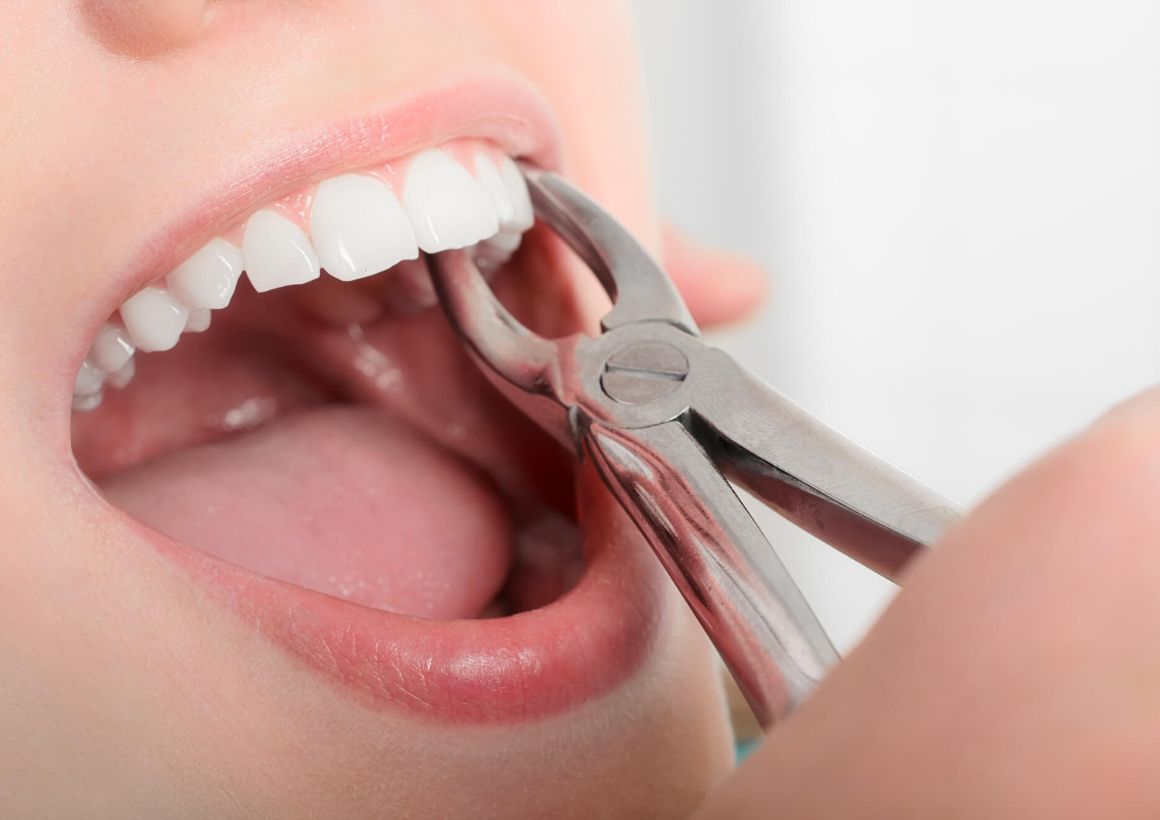
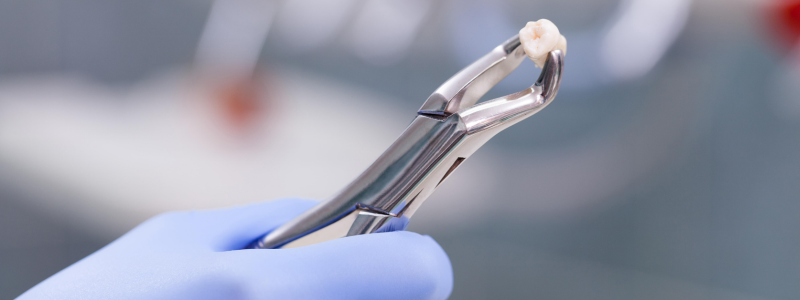
A tooth extraction removes a tooth from the jawbone. It may be needed because of decay, infection or overcrowding, or to make room before orthodontic treatment such as braces.
Some extractions are surgical, meaning the gum is opened to reach and remove the tooth with forceps or other instruments. When decay or infection is extensive, antibiotics may be prescribed before and after the procedure to reduce risk.
Common Reasons for an Extraction
Teeth are most often removed because of severe decay, crowding, infection, fractures or impacted wisdom teeth.
Advanced Decay
When decay is too extensive for a filling or crown, removing the tooth may be the best way to prevent further damage.
Overcrowding
Taking out a tooth can create needed space and support better oral health.
About the Procedure
Tooth extraction, known clinically as exodontia, is the surgical removal of a tooth. Even with today’s preventive care, extractions are sometimes necessary to protect your oral health, and following your aftercare instructions closely is an important part of healing.
Aftercare Tips
- Keep the extraction site clean and dry.
- Apply a cold compress right after the procedure to ease swelling and discomfort.
- Stay away from hard or crunchy foods that could irritate the area.
- For the first 24 hours, avoid rinsing forcefully or drinking through a straw, so the blood clot can form and bleeding stays under control.
- Instead, rinse gently with warm salt water a few times a day to control bacteria and encourage healing.
Questions after your procedure? Call our office at (781) 200-3889. In a medical emergency, call 911.
Ready when you are. Phone us at (781) 200-3889 or send an appointment request and we will find a time that suits you. Treatment results differ from patient to patient.